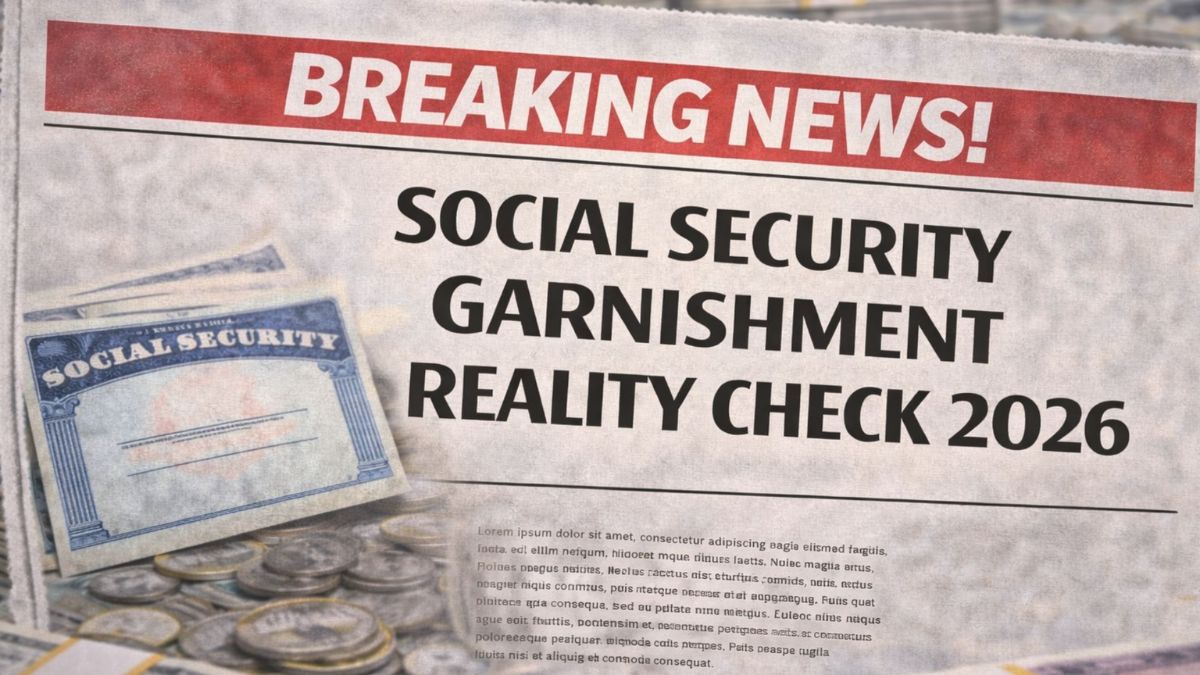
Social Security Garnishment Reality Check 2026:Recently, many Social Security recipients have seen alarming headlines suggesting that benefit garnishment will begin in February 2026. These stories have circulated widely on social media, blogs, and video platforms, often using urgent language that causes unnecessary worry. For seniors, people with disabilities, and survivors who depend on Social Security for essential expenses like rent, food, and medical care, such reports can feel stressful. However, the truth is far less dramatic than these headlines suggest.
No New Garnishment Rules in 2026
There is no new Social Security garnishment program starting in February 2026. No law has been passed, and the Social Security Administration (SSA) has not announced any new policy changes affecting benefit protections. The rules that apply in 2026 are the same rules that have existed for decades. Recognizing this fact can help beneficiaries avoid unnecessary anxiety and misinformation.
Congress has not approved any new legislation regarding Social Security garnishment, and the SSA has made no announcements about changes in enforcement. If a major policy shift were planned, it would be communicated clearly through official government channels well in advance.

Understanding Garnishment of Social Security Benefits
Social Security benefits are strongly protected under federal law. Most of the time, these payments cannot be taken by private creditors. Credit card companies, hospitals, personal loan providers, and collection agencies generally cannot garnish Social Security income. This protection ensures that beneficiaries have money for basic living expenses.
These protections remain fully in place in 2026. There has been no weakening of the law, and for the majority of recipients, garnishment is not a concern.
Situations Where Garnishment Is Allowed
While Social Security is protected in most cases, a few exceptions exist. These rules have been in place for decades and have not changed. Garnishment is permitted only for unpaid federal taxes, federally backed student loans, child support, alimony, and court-ordered restitution. Even in these situations, strict limits apply, and only part of a benefit can be withheld to prevent hardship.

Most beneficiaries do not have these obligations, and no new types of debt are being added in 2026. For the overwhelming majority of recipients, Social Security remains fully protected.
Why February 2026 Headlines Cause Confusion
There is no special enforcement deadline or garnishment action linked to February 2026. Garnishment, when it occurs, follows legal processes and is not triggered by a specific calendar month. Online content often uses future dates to make old information seem urgent or new, which can create unnecessary fear.
No official statement from the SSA, the U.S. Treasury, or federal courts associates February 2026 with any new garnishment policy. Beneficiaries should rely on official government websites rather than viral headlines or social media posts.

How Beneficiaries Are Notified and Protected
Garnishment does not happen without warning. If a beneficiary is subject to one of the limited garnishment exceptions, they receive official written notice. This notice explains the debt, the amount to be withheld, and the individual’s rights. Options like repayment plans, appeals, and hardship protections are available, and these safeguards remain unchanged for 2026. No one loses Social Security benefits suddenly or without due process.
What Beneficiaries Should Do
For most Social Security recipients, no action is needed. If you are not dealing with unpaid federal taxes, child support, or similar obligations, garnishment is not an issue. Keeping personal records up to date and monitoring official SSA communications is usually sufficient.
If there are concerns about specific debts, contacting the SSA or a qualified legal or financial professional can provide clarity. Making decisions based on verified information is far better than reacting to online rumors.

Staying Informed and Protected
The idea that Social Security garnishment will begin or expand in February 2026 is false. The rules that have protected benefits for decades remain in effect, and only a small number of long-standing exceptions apply. Staying informed through official channels helps beneficiaries maintain both financial security and peace of mind. Fear-based headlines may come and go, but the law protecting Social Security remains stable.
Disclaimer
This article is for informational purposes only and does not provide legal or financial advice. Social Security garnishment rules are governed by federal law and official government notifications. Individual circumstances vary, and readers should contact the Social Security Administration or a qualified professional for guidance specific to their situation.